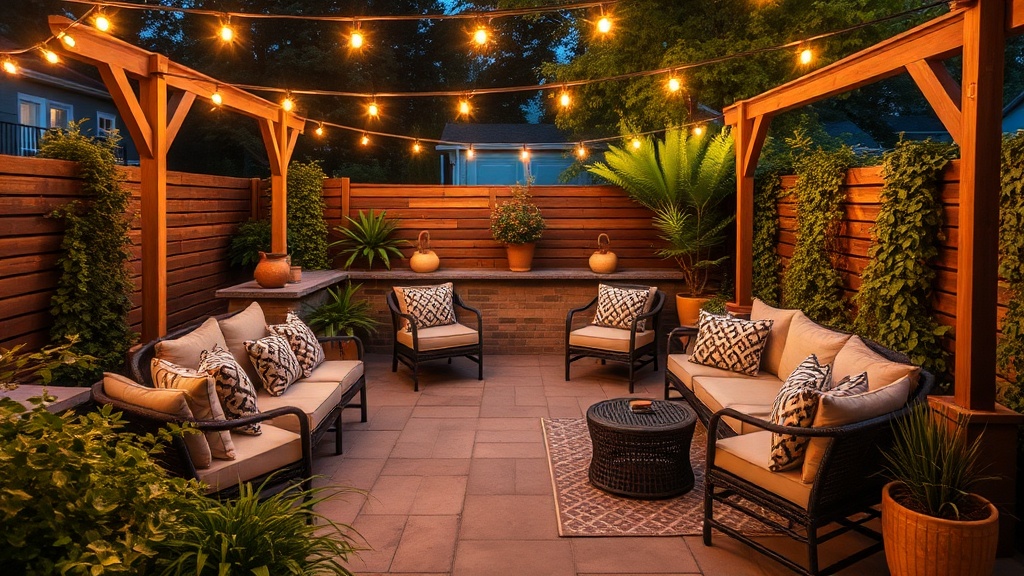
Picking the Perfect Patio Spot for a Summer Evening

Imagine it's a Tuesday in July, the sun is finally dipping behind the trees near the Saint-Maurice River, and you've just sat down with a cold drink only to realize your patio chair is in a direct blast of mosquito-heavy humidity or a drafty wind tunnel. Finding the right spot for a summer evening in Trois-Rivières isn't just about having outdoor furniture; it's about understanding the micro-climates of your specific yard, the movement of the sun, and the local weather patterns of the Mauricie region. This guide breaks down how to evaluate your outdoor space to find the perfect seating zone for relaxation, dining, or entertaining.
How Do I Find the Best Sunlight for My Patio?
The best way to find the best sunlight is to track the sun's path across your specific yard at three distinct times: 10:00 AM, 2:00 PM, and 6:00 PM. Most people make the mistake of only checking their yard at noon when the sun is directly overhead. However, in Quebec, the angle of the sun shifts significantly as we move from June to August. If you want to read a book without squinting, you need to know exactly where the shadows from your fence or your neighbor's maple tree will fall during the late afternoon.
I remember setting up a new Adirondack chair set last year near the riverfront area. I thought I had the perfect spot because it looked great in the morning. By 5:00 PM, the sun was hitting my eyes directly, making it impossible to watch the sunset without a heavy-duty umbrella. It's a common mistake. Don't just look at the light; look at the shadows.
To get a handle on this, you can use a simple sun-tracking app or even just a physical sundial approach. Observe your yard during the "golden hour"—that time just before sunset when the light turns warm and amber. This is usually when most locals want to be outside enjoying a drink or a BBQ. If your patio is blocked by a high retaining wall or a dense line of cedar hedges, you might actually want to move your seating area closer to the open side of your property to catch those last bits of warmth.
If you're planning a long afternoon outdoors, consider the heat levels. A spot that is perfectly sunny in the morning might become an oven by 3:00 PM. This is where high-quality shade solutions come in. You might want to look into a high-end way to block UV rays, like a quality patio umbrella or a permanent pergola structure. A well-placed umbrella can change a "too hot to sit" situation into a "perfectly breezy" afternoon.
Which Outdoor Furniture Is Best for Quebec Weather?
The best outdoor furniture for our climate is made from weather-resistant materials like teak, high-density polyethylene (HDPE), or powder-coated aluminum. Because our summers can be quite humid and our spring/fall transitions can be unpredictable, you need materials that won't rot or rust if a sudden thunderstorm rolls through the Mauricie region.
I've seen too many people buy cheap plastic sets that crack after one harsh winter or a particularly intense July heatwave. It's a waste of money in the long run. Instead, look for brands that specialize in durability. For example, if you are looking for something heavy-duty, brands like West Elm or even more rugged options found at specialized garden centers are better bets for longevity.
Here is a quick breakdown of common materials to help you decide:
| Material | Pros | Cons |
|---|---|---|
| Teak Wood | Beautiful, extremely durable, lasts decades. | Very expensive, requires occasional oiling. |
| Aluminum | Lightweight, rust-proof, modern look. | Can get hot in direct sunlight. |
| Polywood (HDPE) | Looks like wood but won't rot or fade. | Can be heavy and expensive. |
| Wicker (Synthetic) | Great texture, very comfortable. | Can crack if the quality is low. |
When choosing your seating, think about the "vibe" of the evening. Are you hosting a formal dinner or just a casual hang? If you're sitting near the grill, you'll want something easy to wipe down. If you're in a "relaxation zone," soft cushions are a must—just make sure they are water-resistant. If you're a fan of the outdoors, you might want to check out the Wikipedia page on outdoor furniture to understand more about the technical construction of different pieces.
How Can I Protect My Patio from Bugs and Wind?
The most effective way to protect your patio from bugs and wind is to use a combination of strategic plant placement and physical barriers like windbreaks or high-quality citronella candles. In Trois-Rivières, we deal with a fair amount of humidity, which naturally attracts mosquitoes and biting flies during the warmer months. You can't fight nature, but you can certainly outsmart it.
First, let's talk about the wind. If your patio is an open corner of your yard, it's likely a wind tunnel. This is especially true if you live near the water. A small way to mitigate this is by using heavy planters or a trellis with climbing plants. It's not just about looks; it's about creating a micro-climate that stays still. A little bit of stillness makes a huge difference in how comfortable a chair feels.
For the bugs, don't rely on just one thing. A single candle won't do much if there's a breeze. I suggest a multi-layered approach:
- Natural Repellents: Plant things like lavender, mint, or rosemary in pots near your seating area. They smell great and help deter pests.
- Electric Solutions: A modern, sleek mosquito trap can be more effective than a traditional candle.
- Airflow: Sometimes, a simple outdoor-rated ceiling fan or even a high-powered oscillating fan can keep bugs from settling on you.
One thing to note—if you're sitting near a lush garden, you're essentially inviting the bugs to the party. If you want to stay away from the "bug zone," move your seating area to a more paved or gravel-heavy section of your yard. It's much harder for insects to thrive in those drier, less-vegetated areas.
If you enjoy spending time outdoors, you might also appreciate the beauty of the local scenery. If you find yourself wanting to move your "patio experience" to a public space, you might enjoy riverside walks and hidden parks in Trois-Rivières. It's a great way to get a different perspective on the local landscape.
Another thing to consider is the lighting. A patio that is too dark can feel unsafe or uninviting, but too much light can actually attract more insects. I've found that low-voltage LED string lights or solar-powered lanterns provide the best balance. They create a soft, warm glow that makes the space feel intimate without turning your backyard into a giant bug magnet. It's all about the details.
Lastly, always check the wind direction before you set up your grill or fire pit. There is nothing worse than a smoky evening because your seating is directly downwind from the heat source. A little bit of foresight goes a long way in ensuring your summer evenings stay pleasant.
Steps
- 1
Check the view direction
- 2
Look for shade options
- 3
Verify the ambiance